System Design Principles for Frontend Engineers
·1 min read
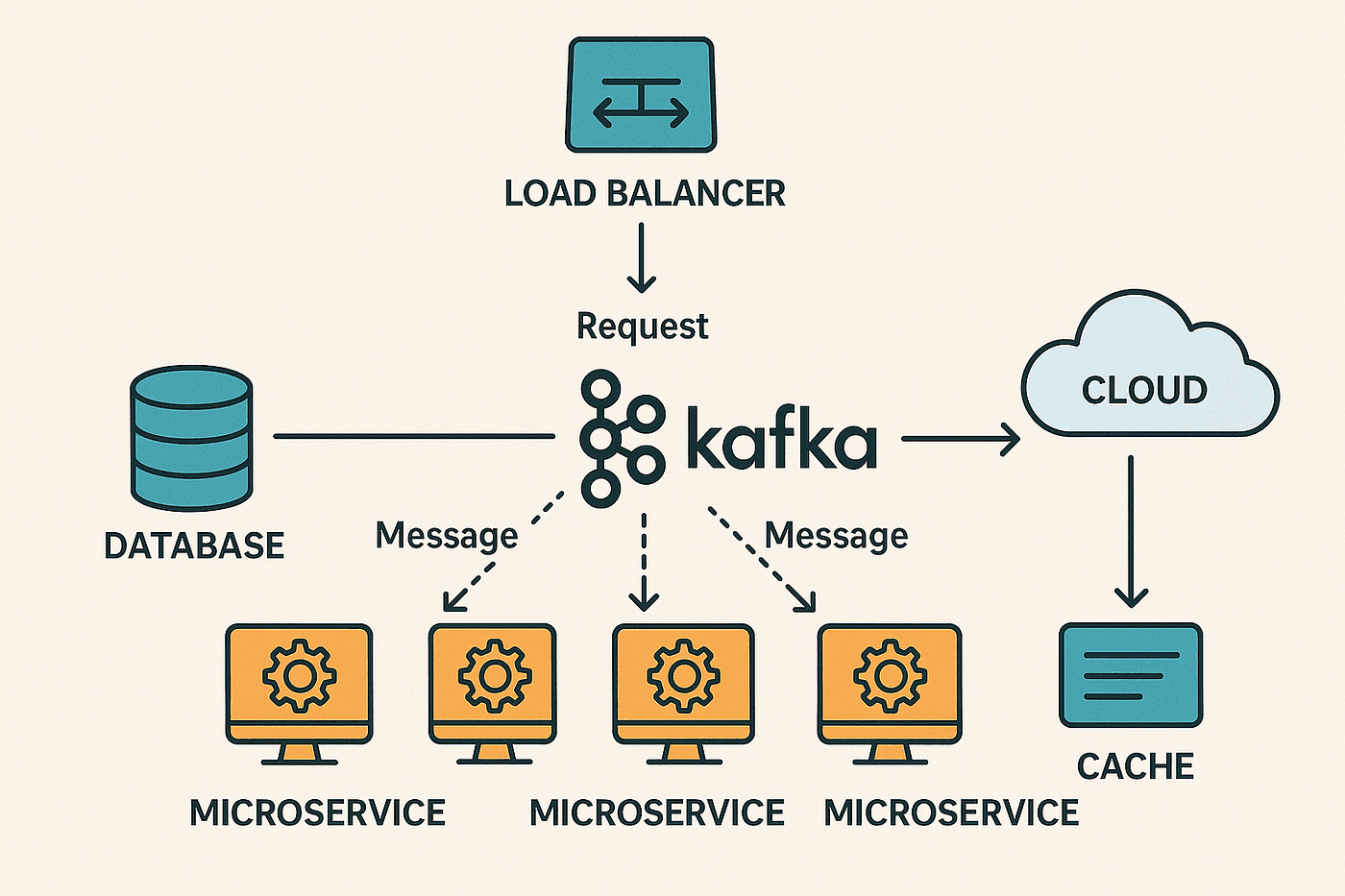
Frontend isn't just components—it's about building systems that scale. Here's what I've learned from building apps that serve millions.
🏗️ Component Architecture
Think in systems, not components:
// Bad - Tightly coupled
function UserProfile() {
  const [user, setUser] = useState(null);
  // Fetch logic mixed with UI
  useEffect(() => {
    fetchUser().then(setUser);
  }, []);
  return <Avatar user={user} />;
}

// Good - Separated concerns
function UserProfile() {
  return (
    <UserProvider>
      <UserAvatar />
      <UserDetails />
    </UserProvider>
  );
}
🔄 State Management Patterns
Choose the right tool for the job:
- Local state:
useStatefor component-specific data - Shared state: Context for cross-component data
- Server state: React Query/TanStack for API data
- Global state: Zustand for app-wide state
📈 Scalability Patterns
Build for growth from day one:
- Component composition over inheritance
- Data fetching abstraction for easy backend changes
- Error boundaries for graceful degradation
- Lazy loading for performance
These principles helped scale a startup app from 1K to 1M users without major rewrites.
Good systems don't just work—they evolve.